Why Your Branding Is Just Guessing Without a Targeted Audience.
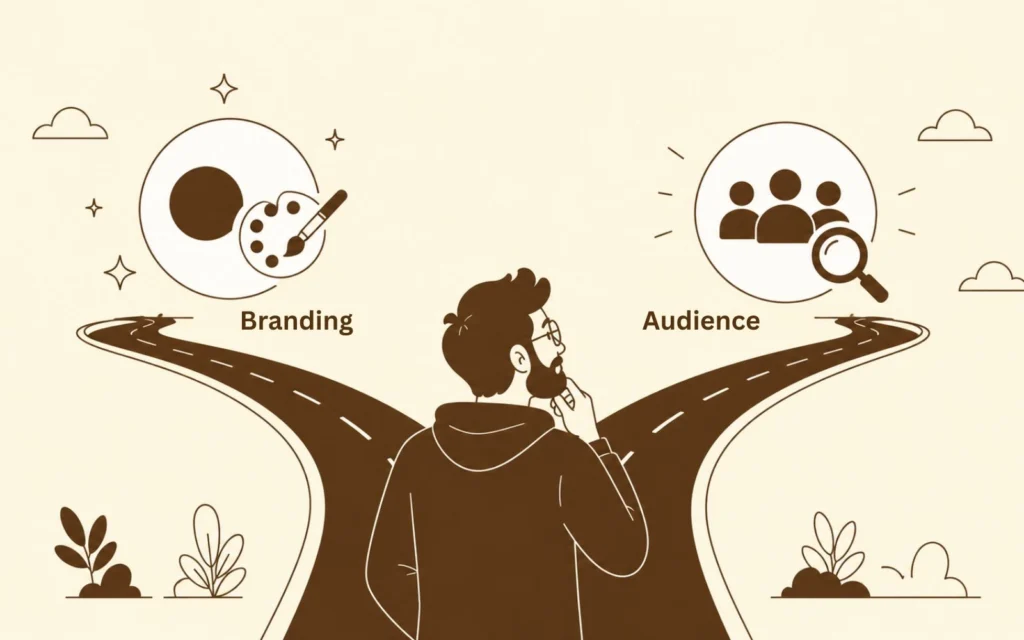
I always tell business owners the same thing: if you’re planning to start a business, don’t start with the branding stuff — the name, the logo, the things that just “look good.” People don’t buy things because your branding looks polished. They buy things because those things solve a problem they have.
Your customer needs to feel like you understand their problem. Like this brand actually looked at what they’re struggling with, and built something to help. That feeling doesn’t come from a nice logo. It comes from knowing exactly who you’re talking to.
So here’s the real question: how can you connect with your audience if you don’t even know who they are?
If you build your name, logo, and messaging before you know your targeted audience, how is that audience supposed to feel like this brand is “one of them”? A name only creates connection when it’s chosen for the people you’re trying to reach — not before you know who they are.
Find Your Audience First. Brand Second.
Here’s the conclusion I always come back to: find your targeted audience first. Build a customer persona around them. Then choose a name and logo that actually connects with that persona.
If you’ve already branded your business without doing this, it’s not the end of the world — but you may need to rebrand once you understand your audience properly. And this isn’t just about looking right. Knowing your audience also helps you set the right price point, because you’ll understand what they value and what they’re willing to pay for it.
So before you touch your branding: find your audience segments, build your personas, and only then take the next step.
A Quick Example
Say you’re launching a maternity wear brand. If you brand it like a general women’s fashion label — a trendy, Gen Z-style name — you might feel like you’re on the right track, since both target women. But think about it: Gen Z is mostly in their studying years, not their pregnancy years. Your name and tone might appeal to a Gen Z audience that isn’t actually your buyer, while missing the tone that would resonate with someone who is expecting.
This is what happens when you brand before you research: you can end up speaking clearly to the wrong room.
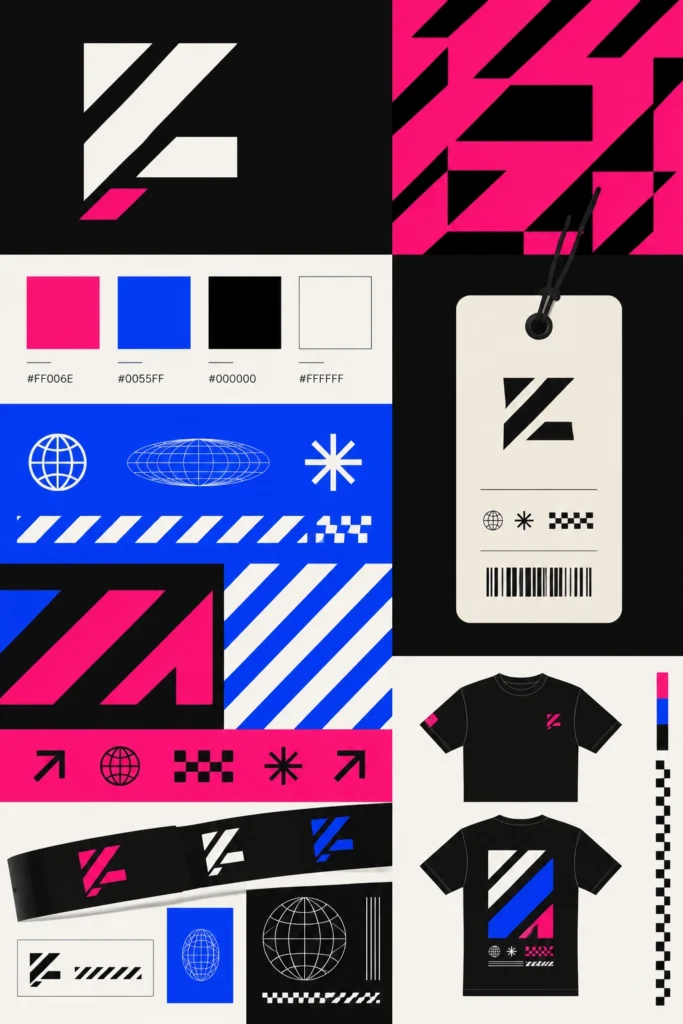
Branded for everyone
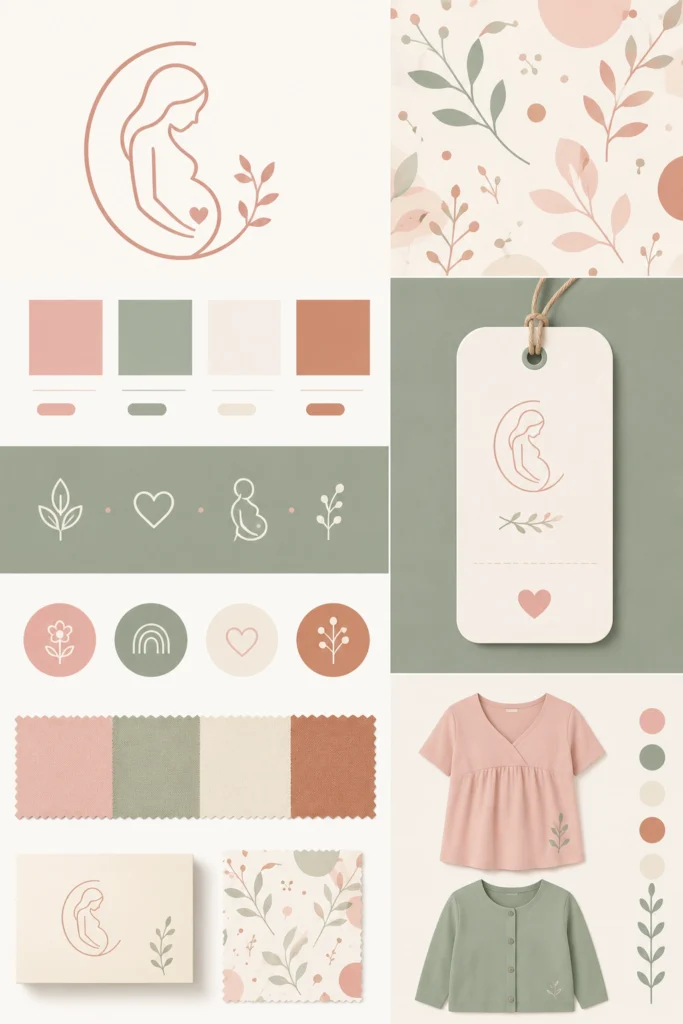
Branded for her
What's the Difference Between Targeted Audience and Targeted Market?
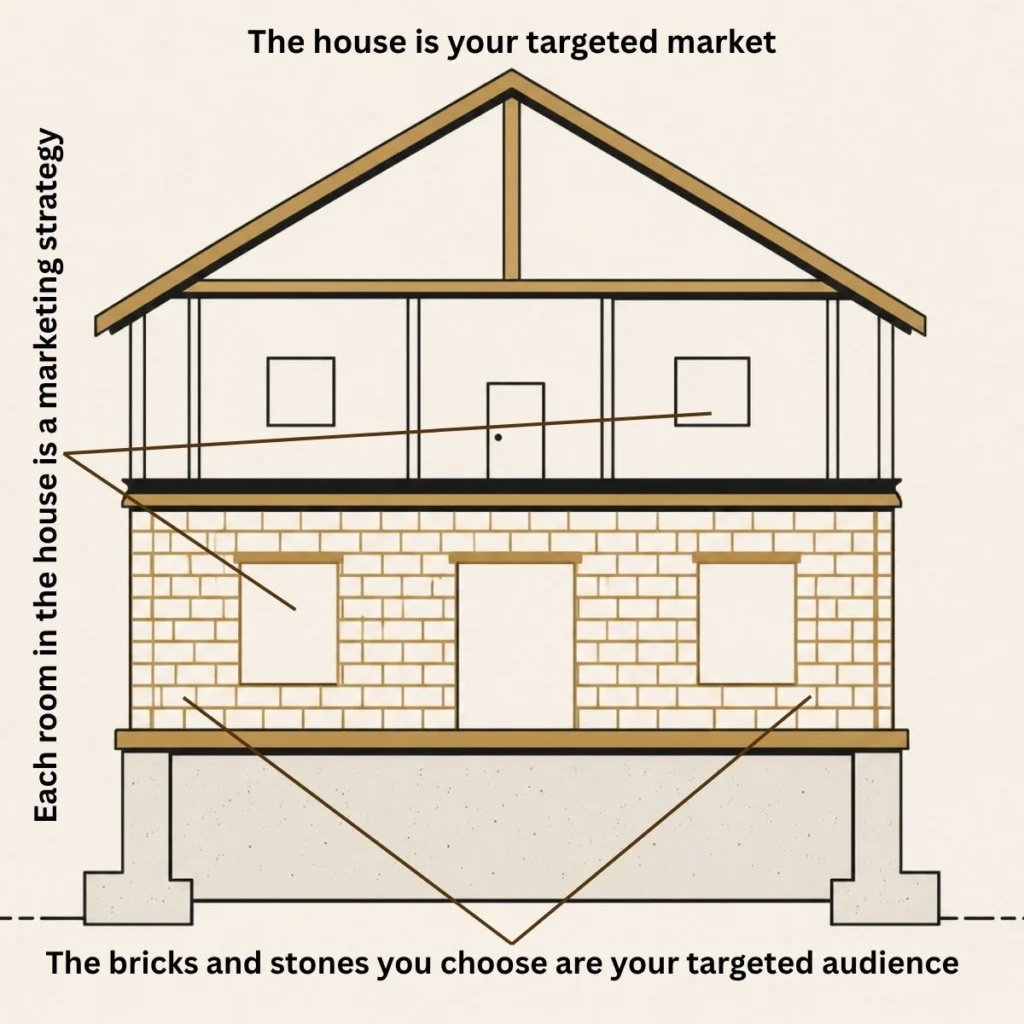
Let me explain it simply. Imagine you’re building a house.
- The house is your targeted market — the whole landscape your business operates in.
- The bricks and stones you choose are your targeted audience — the specific people you’re building for.
- Each room in the house is a marketing strategy.
You build your house room by room (strategy by strategy), using the right stones (your best-fit customers) for each one. That’s targeted audience and targeted market working together.
In plain definitions:
- Targeted audience = the specific individuals your business needs to reach.
- Targeted market = the broader landscape your business operates within.
The more real knowledge you have about your targeted audience, the less effort it takes to actually reach them. You’re not guessing anymore — you’re building with the right materials from the start.
Why Defining Your Targeted Audience Actually Matters
Once you clearly define your targeted audience, a few real benefits show up:
- You create content that connects. When you know who you’re speaking to, your content speaks directly to their pain points — not in general terms. This raises engagement, conversion rate, and your return on investment (ROI).
- You build trust, not just sales. When customers see that you’re actually listening — that you understand their problem and are working to solve it — that’s the real game-changer. You’re not just selling a product. You’re showing up as someone who gets them. That’s what makes people come back.
There are plenty of ways to research and find your targeted audience, and the important part isn’t the tool you use — it’s how you approach the people you find.